

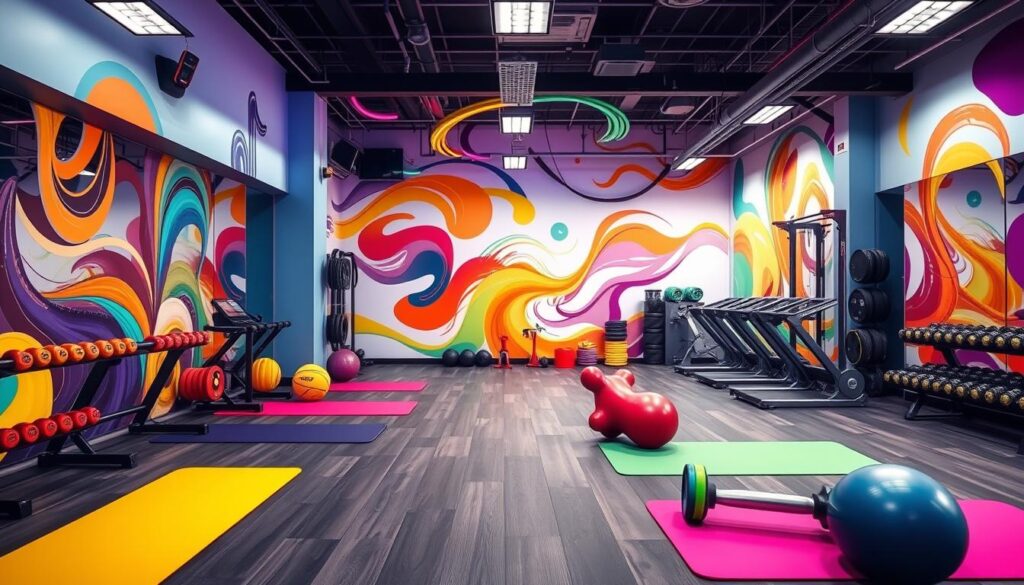
Have you ever wondered how traditional fitness regimens might overlook the unique needs of neurodivergent individuals, like those with ADHD and autism?
In today’s fast-changing fitness world, it’s key to understand neurodivergent fitness. It’s about creating workouts that fit the diverse needs of those with neurological differences. Studies show that people with neurodiversity often find loud gyms too much because of the bright lights and sounds.
This highlights the need for ADHD and autism-friendly workouts. These should make exercise easier and better for both body and mind.
It’s also important to see how our bodies and minds connect. This helps us understand how exercise affects us. For many, having a set workout plan can help reduce anxiety and improve focus.
When we tailor fitness to each person, we support their unique journey. We also celebrate the beauty of neurodiversity in sports.
Key Takeaways
- Neurodivergent fitness addresses unique sensory and emotional needs.
- Structured schedules can significantly reduce anxiety and improve exercise adherence.
- Outdoor or quieter spaces may be preferred for engaging in physical activity.
- Mindful movement techniques enhance body awareness and reduce stress.
- Supportive networks are essential for fostering consistent fitness habits.
- It’s important to celebrate small victories in the fitness journey.
Understanding Neurodiversity in Fitness
Neurodiversity includes many neurological differences, like autism and ADHD. It affects about 15% to 20% of the world’s population. It’s important to see how these differences affect how we behave, think, and react to exercise. For example, some people might find it hard to work out because of their sensitivity to light or noise.
The Impact of Neurological Differences
People with neurodiversity might find it hard to interact with others and may stick to certain routines. This can make them less likely to exercise, because of their symptoms. Conditions like ADHD and autism can also make it tough to move and do daily tasks.
But, it’s key to remember that neurodiversity also brings strengths. Many people do well in fitness programs that fit their needs and likes.
| Feature | Neurotypical Individuals | Neurodivergent Individuals |
|---|---|---|
| Social Interaction | Generally comfortable in group settings | May experience anxiety or discomfort |
| Sensory Sensitivity | Typically low sensitivity to environmental factors | Heightened sensitivity, affecting exercise choices |
| Routine Preference | Varied engagement patterns | Often benefit from structured routines |
| Motivation | Varied motivation levels | May struggle due to symptoms and traits |
| Exercise Outcomes | Improved muscle function and mental health | Can improve independence and reduce difficulties with daily tasks |
Why Fitness Matters for Neurodivergent Individuals
Regular physical activity is key for mental health, even more so for those who are neurodivergent. It helps reduce anxiety and stress, common issues for this group. Special programs show great success in boosting energy, focus, and social skills, all important for feeling good.
Exercise also improves physical health. It helps with weight, metabolism, and sleep issues, common in neurodivergent people. It lowers bad cholesterol and improves metabolism, making overall health better. Plus, it helps with memory, learning, and thinking, vital for daily life.
Special fitness programs for neurodivergent folks increase their involvement and help build friendships. They create a supportive community. When families join in, it makes a big difference in everyone’s well-being. Team sports, in particular, offer extra benefits for physical and social growth, making the fitness journey even more rewarding
The Unique Needs of ADHD and Autism in Exercise
People with ADHD and autism have special needs for exercise. It’s important to understand these needs to make workouts fun and effective. For example, kids with autism might find certain environments too overwhelming.
Creating a comfortable exercise space can help them enjoy physical activities more. This is important because about 1 in 54 kids have autism, as the CDC reports.
Those with ADHD might do better with workouts broken into smaller tasks. This helps them stay focused. ADHD affects about 9.4% of kids in the U.S., making tailored fitness plans key.
Interval training can be great for them because it keeps things interesting. With about 6.1 million kids with ADHD, it’s important to get this right.
For those with autism, group classes might not be the best. Solo activities can be more appealing. This is because about 1 in 59 kids have autism, as the CDC says.
Energy levels can vary a lot in ADHD. It’s important to pick exercises that match their energy. ADHD affects about 11% of kids aged 4-17.
Setting goals and using positive feedback can really help. This is true for both ADHD and autism. About 4% of adults in the U.S. have ADHD, making personalized fitness plans essential.
Sensory-Friendly Workouts
Creating sensory-friendly workouts is key for neurodivergent individuals. I choose the right places, adjust the lights, and play calming music. This helps make a space that’s not too much for their senses.
Studies show that kids with autism benefit from 20 minutes of intense activity. It helps cut down on bad behaviors and hyperactivity. Full-body exercises are great for improving coordination and strength, which are important for workouts.
I suggest activities like yoga, swimming, and outdoor fitness. They’re good for both physical health and emotional balance. In a calm place, autistic kids do better and respond well to cues during exercises. Bear crawls, medicine ball slams, and arm circles are great for them.
To make workouts even better, add aerobic exercises like running or Zumba. They help with mood and focus. Using regular and rhythmic things in routines helps with sensory control. Always check with a doctor before starting, and start slow. Watch for signs of tiredness and drink plenty of water.
Custom Fitness Plans for Neurodivergent Individuals
Creating custom fitness plans is key for neurodivergent individuals’ health and growth. These plans focus on physical abilities, sensory preferences, and what motivates each person. At Inclusive Fitness, we support a wide range of people, including those with autism, ADHD, and other conditions. Our programs are for those aged 12 and up, making fitness accessible to more young people.
Personalized training has many benefits. People with neurodiversity see their strength and confidence grow. This leads to better overall well-being. Our coaches create detailed plans for each athlete, guiding them from start to finish.
Also, making workouts friendly for those with sensory sensitivities is important. Our certified trainers understand the unique challenges faced by neurodivergent individuals. They offer benefits that lead to the best results. Our focus on functional fitness helps skills learned in training apply to everyday life.
| Program Type | Focus Area | Details |
|---|---|---|
| 1:1 Training | Personalized Attention | Tailored exercises based on individual assessments |
| Semi-Private Training | Motivation through Peers | Small group sessions to foster community |
| Small Group Training | Socialization | Workouts designed to enhance interaction |
Neurodivergent Fitness: Strategies for Success
Staying active is key, even more so for those who are neurodivergent. Using strategies for neurodivergent fitness can make workouts more effective. A good start is to set up a routine that fits your life and needs.
This routine helps in making exercise less stressful. It creates a sense of order, which can lower anxiety about working out.
Don’t forget the importance of reminders in your fitness journey. They help in staying on track with maintaining consistent exercise. For those who struggle with memory, reminders are a big help.
Studies show that knowing what to expect from exercises improves performance. This is a big plus for those who want to do well in their workouts.
Building habits is also key to making exercise a part of your daily life. Start with small goals to build confidence and skills. FitAble suggests mixing up your routine and practicing mindfulness, which can really help neurodivergent people.
It’s also important to remember that everyone’s body works differently. This means that exercises should be tailored to fit your unique needs. This approach can lead to better results and keep you interested in exercising for the long haul.
In short, using these strategies for neurodivergent fitness can lead to a healthier life. Regular exercise not only keeps you physically fit but also boosts self-control and brain function. This is great news for people with autism and other neurodivergent conditions.
Choosing the Right Type of Exercise
Choosing the right exercise is key for effective ADHD fitness routines. Personal interests are a big part of this choice. Doing what you love makes sticking to it easier and more rewarding.
Knowing what you like to do helps pick the right exercise. For example, yoga might be better for those who like calm, while dance classes are great for those who love energy. This way, you can make workouts that fit your needs.
Did you know 99% of athletes with autism struggle with lower body and trunk strength? Eric Chessen, founder of Autism Fitness, says working on these areas can improve physical skills and daily life. It’s important to include strength exercises in your routine to overcome these challenges.
Trying different exercises can also keep things interesting. Activities like running, swimming, or martial arts can help improve focus and balance dopamine levels. These routines help build resilience and perseverance, important for fitness and life.
Choosing the right exercise is more than just picking a routine. It’s about finding what truly connects with you and the benefits it brings. Finding that perfect exercise is the start of a lifelong journey to fitness.
Building a Support Network for Fitness
Creating a strong support network is key for those with neurodivergent conditions wanting to get fit. It’s important to find personal trainers who get what you need. With 1 in 4 US adults aged 18 – 64 having a disability, joining neurodivergent fitness communities is vital. It gives a sense of belonging and motivation that’s essential (1).
Working with trained professionals makes fitness routines easier. Having fitness coaches who know about neurodivergent conditions helps a lot. They can make fitness plans that fit your needs, making exercise more accessible (2).
We should share our experiences and support each other in neurodivergent fitness communities. Social interactions boost confidence and can lead to better health. Trainers like those at sheSTRENGTH work to make fitness more inclusive. They focus on success for everyone, no matter where you start (1) and (3).
By building relationships and using resources, we can help more neurodivergent people join fitness groups. Let’s support each other as we work towards our fitness goals.
Observation and Self-Awareness in Fitness
In my fitness journey, I’ve learned that paying attention is key. Knowing how my body feels helps me work out better and enjoy it more. Keeping sensory diaries helps me track how I feel and where I am. This helps me connect my mind and body more deeply.
Studies show that activities that help us feel our body’s inner workings can reduce anxiety and improve mood in people who think differently. This makes me want to use mindfulness techniques in my workouts. Techniques like focusing on my breath and body sensations help me stay present and focused.
Exercising in a structured setting helps me stay on track and avoid getting distracted or resistant to new things. By being consistent and giving choices, I stay motivated. This is important, but even more so for those who think differently.
My journey to better self-awareness in fitness is made richer by using tools like sensory diaries and mindfulness. These tools help me make better choices about my activities. This leads to a more rewarding fitness experience.
Incorporating Mindfulness into Physical Activity
Mixing mindfulness into workouts can make fitness more complete, which is great for people with ADHD. Yoga and tai chi boost both physical and mental health. They calm the mind and lower stress, helping with ADHD symptoms.
Regular exercise is good for your mind too. It makes more dopamine and norepinephrine, helping you focus and control hyperactivity. It also cuts down anxiety and depression, common in ADHD, making mood and emotions more stable.
To add mindfulness to your workouts, focus on the moment. Pay attention to your breath, body feelings, and movement. Deep breathing in strength training or imagining calm in aerobic exercises can improve focus and self-awareness.
The table below shows how different exercises help with mental health and mindfulness:
| Activity Type | Mindfulness Benefits | Mental Health Benefits |
|---|---|---|
| Yoga | Promotes relaxation and focus | Reduces anxiety and depression |
| Tai Chi | Enhances body awareness | Improves mood stabilization |
| Aerobic Exercises | Increases endorphin release | Improves focus and attention |
| Strength Training | Builds discipline and concentration | Enhances emotional regulation |
Promoting Mental Health through Fitness
Physical activity is key for mental health in neurodivergent people. Studies show they face more mental health issues than others. This is due to both environment and personal factors. A regular exercise routine can help reduce anxiety and depression, boosting mental wellness and resilience.
Exercise helps ease depression and anxiety by releasing muscle tension. It clears the mind and offers a healthy way to express emotions. It also boosts self-esteem and confidence, making people feel empowered. Strength training, in particular, improves physical health and body confidence.
Autistic individuals often struggle to exercise due to time, cost, and sensory issues. It’s vital to create supportive spaces for fitness. Mindfulness during workouts improves mental and physical health.
Overcoming Barriers to Consistent Exercise
Many neurodivergent individuals face challenges that make it hard to keep up with exercise. Up to 40% of kids with autism spectrum disorder (ASD) have physical disabilities that make it tough to be active. Anxiety and trouble with planning can make exercise feel overwhelming and hard to stick with. Busy schedules often get in the way, making it hard to find time for exercise. But, with a little planning, it’s possible to fit exercise into daily life.
Money can also be a big obstacle to getting fit. Some people feel scared to go to the gym because they don’t know how to exercise or fear standing out or getting hurt. But, exercising outside or at home can be more comfortable. Programs like yoga and swimming for people with disabilities have seen a big increase in participation, up to 30% more.
Using personal trainers or online coaches can help make exercise routines last. Around 60% of neurodivergent people have sensory issues that make it hard to be in certain places. By making programs more flexible and welcoming, more people with disabilities can join in, up to 20% more. Online groups focused on fitness have also seen a 25% boost in activity among those who find it hard to go in person.
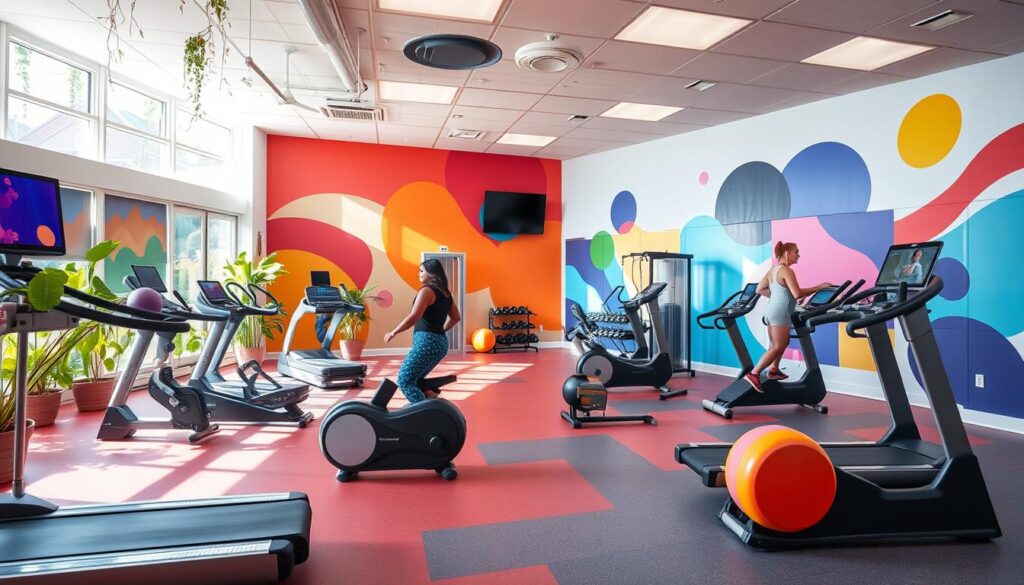
Inclusive Exercise Programs for Neurodivergent Individuals
Inclusive exercise programs are key for neurodivergent individuals. They offer environments tailored to their unique needs. Many special needs exercise classes aim to create supportive atmospheres. This encourages participation and boosts confidence.
At places like The Grove Fitness, clients are called “athletes.” This approach fosters a positive mindset and increases self-esteem. The gym welcomes individuals of all ages with neurodivergent conditions. It emphasizes community support and the value of personalized assistance in improving physical health and social connections.
For those looking to begin their fitness journey, “Work it Out” by Sarah Kurchak is a great resource. Kurchak stresses the importance of tailoring fitness routines. She notes that there’s no one-size-fits-all approach to exercise. The book promotes mindfulness and mental health practices, essential for overall wellness. It offers clear instructions and structured approaches for neurodiverse individuals.
Research indicates that adults with disabilities, including neurodivergent individuals, often lack aerobic activity. Only 54% meet the recommended levels. This can increase the risk of chronic conditions like diabetes and heart disease by threefold. Including adaptive exercises in fitness programs supports individuals in reaching their goals. It also plays a key role in improving health and well-being.
Community Resources for Neurodivergent Fitness
Getting to community resources is key for those with neurodivergent conditions looking for fitness. Many groups focus on meeting their exercise and well-being needs. Local clubs offer fitness programs that are welcoming and help build community ties.
Places like 1665 VFW Parkway, West Roxbury, MA have special programs for Autism and ADHD. They offer small group and one-on-one sessions, both online and in-person. This helps with social skills and self-control.
Tools like SBD Weightlifting Knee Sleeves help during workouts, making sure they feel safe. Exercises like Jumping Jacks and Bear Crawls boost fitness, coordination, and strength. Rest is also important for muscle recovery and stress relief.
Support from healthcare experts is vital for neurodivergent fitness resources. Doctors, therapists, and specialists work together to create fitness plans that fit each person’s needs. This helps build confidence and independence.
Being part of the community helps grow personally and promotes understanding. By using local resources, neurodivergent people can unlock their full abilities, make connections, and succeed in fitness.
Tips for Staying Motivated in Your Fitness Journey
Staying committed to fitness needs consistent effort and strategies that fit you. Using neurodivergent fitness tips can boost fitness motivation and success. Setting achievable short-term goals is key. Studies show it makes people 42% more likely to stick with their fitness plans than those with high goals.
Finding fun activities is vital. Research shows 80% of people stick with workouts they enjoy. This highlights the need to love your fitness routine to keep consistency in exercise. Working out with a buddy can also increase consistency by 65%, thanks to social support.
Tracking your progress is another key strategy. Keeping track of your journey can make 67% of people more likely to reach their goals. It boosts fitness motivation and helps achieve desired outcomes. Listening to your body is also important. It can reduce workout injuries by 90%, making fitness more enjoyable and healthy.
Don’t forget the importance of rest days. Taking breaks can cut injury risk by 50%, keeping motivation up and avoiding setbacks. Celebrating small wins can also keep a positive mindset and keep you committed.
Celebrating Progress, Not Perfection
In my fitness journey, I’ve learned how important it is to celebrate our progress. This is true, even more so for those of us who are neurodivergent. Every small win, like showing up to sessions or learning a new skill, is a victory. It teaches us to be kind to ourselves and to see our achievements as unique.
Neurodivergent folks often struggle with wanting to be perfect. This can make us feel like we’re not good enough or doubt ourselves. But, when we let go of the need for perfection, we become more resilient and happy with our efforts. Studies show that perfectionism can actually hold us back and make us feel anxious or depressed.
To build a culture of kindness, I celebrate even the smallest achievements. Embracing our imperfections helps us live a more balanced life. It reduces the stress of meeting others’ expectations and focuses on enjoying the journey, not just the destination. This approach is key to our mental health and helps us stick with fitness for the long haul.
In short, valuing personal growth over perfection is good for our bodies and minds. By focusing on progress and self-acceptance, we create a supportive environment for everyone. Celebrating our unique paths helps us all feel included and encourages us to do our best.
https://www.youtube.com/watch?v=M0QeofT0_qg
Conclusion
Looking at the journey of neurodivergent fitness, it’s clear that we need to tailor fitness to each person’s needs. This is true for those with ADHD and Autism. Being part of an inclusive fitness community helps a lot. It makes people feel supported and helps them grow.
Personalized fitness plans do more than just keep people active. They help improve thinking skills, handle sensory issues, and manage feelings. This is all good for those who are neurodivergent. Being part of a community also helps build social skills and boosts confidence, making fitness even better.
As we learn more about neurodiversity in fitness, let’s support each other’s unique paths. By creating and joining fitness plans that fit us, we can reach our health goals. And we can help make society more welcoming for everyone.
