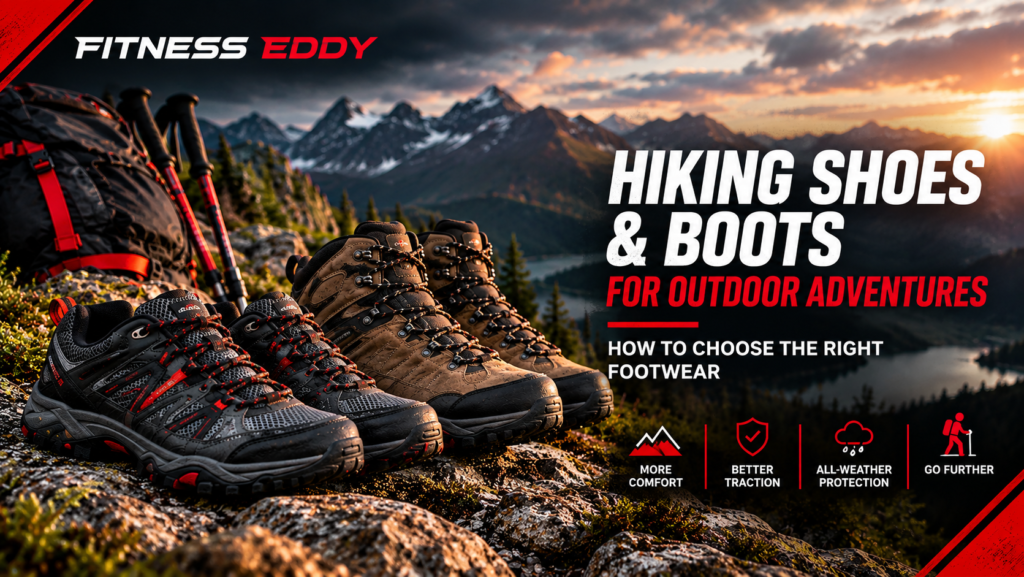
Hiking Shoes & Boots for Outdoor Adventures: How to Choose the Right Footwear
The right hiking footwear starts with one simple question: Where are you actually going to wear it?
A short walk on a maintained trail does not demand the same footwear as a mountain route, rocky terrain, wet conditions, camping trip or off-road adventure. Your distance, terrain, weather, activity and preferred level of protection should all influence what you buy.
Hiking shoes can provide a lower-cut, more flexible option for walking and moderate trails, while hiking boots can provide a higher-cut and more structured design for people who want additional coverage and support. Terrain, distance, pack weight, weather and personal fit all matter when choosing between them.
Quick answer: choose hiking footwear according to your actual route and conditions. Look at waterproofing for wet environments, traction for changing or uneven terrain, breathability for warm active conditions, and a secure fit for longer days outdoors.
The Right Hiking Footwear Starts With Where You’re Going
There is no single type of hiking footwear for every outdoor situation.
What Type of Trail Are You Hiking?
A maintained walking trail, rocky mountain route, muddy trail and off-road environment place different demands on footwear.
For relatively moderate terrain and day hikes, lower-cut hiking shoes can provide a practical combination of flexibility and trail-oriented traction. More demanding terrain, longer trips and conditions where additional protection is useful may make a higher-cut hiking boot more appropriate.
Ask yourself:
– Is the trail maintained or rough?
– Will you encounter rocks or uneven ground?
– Are you hiking, walking, climbing or camping?
– Is the terrain dry, wet, snowy or mixed?
– Will you be carrying a heavy pack?
– How long will you be outdoors?
How Long Will You Be Outdoors?
A short recreational hike can have different footwear requirements from a full-day trek. For longer outings, comfort and fit become increasingly important.
What Weather Will You Encounter?
Wet trails can make waterproof footwear useful. Hot conditions can make breathability more important. Snow, cold ground and changing weather may call for footwear with more coverage and protection.
How Much Protection Do You Actually Need?
A lightweight low-cut hiking shoe may be enough for some trails. A higher-cut boot can make more sense when you want greater coverage around the ankle and foot.
Hiking Shoes vs Hiking Boots
When Hiking Shoes Make Sense
Hiking shoes are generally lower-cut than boots and tend to prioritize lighter weight and flexibility. They can work well for day hikes, trail walking, outdoor travel, recreational hiking, moderate terrain, trail running, camping and general outdoor activities.
When Hiking Boots Make Sense
Hiking boots generally provide a higher-cut design and more coverage. They can be useful when you want higher-cut coverage, more structured footwear, greater protection from outdoor conditions, or footwear for climbing and off-road activities.
Do You Need Hiking Boots for Every Hike?
No. A boot is not automatically required simply because an activity is called hiking. For a shorter hike on a maintained trail, hiking shoes or trail footwear may be entirely appropriate.
Hiking Shoes for Women
Women shopping for hiking footwear have the same fundamental decision to make: match the footwear to the trail, conditions, distance and personal fit.
There is no universal rule that women need a completely different type of hiking shoe. Foot shape, sizing, comfort and the intended activity should drive the decision.
What Should Women Look for in Hiking Shoes?
Consider correct foot measurements, secure heel fit, adequate toe room, trail-appropriate outsole, weather requirements, weight, breathability and intended terrain.
Women’s Hiking Shoes for Day Hikes and Walking
For day hikes, outdoor walks and recreational activity, a lower-cut hiking shoe can be a practical option.
Women’s Hiking Shoes for Different Terrain
For maintained trails, lightweight outdoor shoes may be sufficient. For rocky or uneven routes, prioritize secure fit and suitable traction. For wet routes, waterproof construction can become more important. For warm active conditions, breathability may take priority.
Women’s Hiking Shoes or Hiking Boots?
Choose hiking shoes when flexibility, lower weight and a lower-cut design suit the activity. Choose hiking boots when you prefer higher coverage or your outdoor activity calls for a more boot-oriented design.
Women’s Hiking Shoes for Warm Weather
Warm-weather hiking can make ventilation particularly important. Mesh and breathable upper materials can help make footwear more suitable for active conditions.
Women’s Hiking Shoes for Wet Weather
When rain, wet trails or damp conditions are expected, waterproof footwear can be worth considering. Always check the product’s stated construction and specifications.
Women’s Hiking & Outdoor Footwear
The catalog describes these as waterproof high-top hiking shoes designed for outdoor terrain. The product description specifically lists hiking, mountain terrain, snow and hard ground among its intended conditions.
It also specifies a high-top profile, breathable mesh lining, waterproof cloth upper, shock-absorbing EVA midsole and wear-resistant rubber outsole.
Waterproof Non-Slip Hiking Shoes
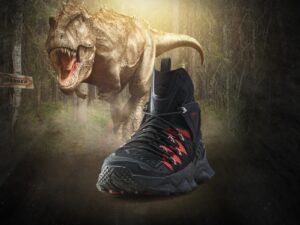
The product description specifically identifies these as waterproof non-slip hiking shoes. The upgraded full-palm rubber outsole uses multi-directional triangular lugs for grip on changing terrain.
Waterproof Outdoor Hiking & Combat Boots
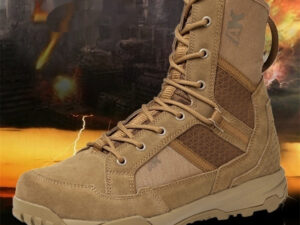
These high-top outdoor boots are described as waterproof and intended for mixed outdoor terrain including snow, hard surfaces, grass and mountain routes. The product information specifies a suede upper, EVA midsole, rubber traction outsole and side-zip closure.
Off-Road Hiking Boots
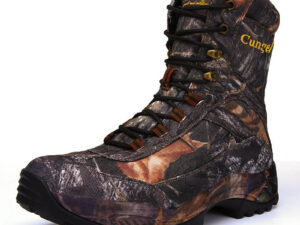
The product description identifies these as off-road hiking boots intended for hiking, climbing, camping and active outdoor use. They are available in high-cut and low-cut options.
Rugged Terrain Hiking Shoes
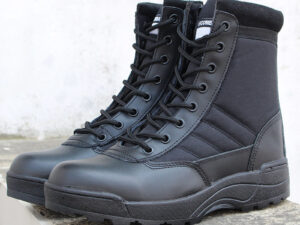
The catalog describes these as rugged outdoor hiking shoes with a microfiber upper, EVA sole and low-cut profile. Listed applications include hiking, camping, cycling, fishing and everyday outdoor activities.
Breathable Hiking & Trail Running Shoes
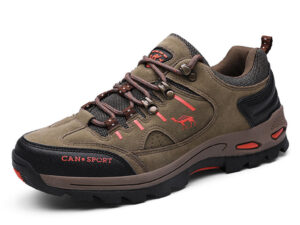
These are specifically described as breathable men’s hiking and trail running shoes. The catalog lists a low-cut profile, non-slip rubber outsole, TPR components, imported double-sided velvet upper and rubber midsole. Intended applications include trail running, hiking and everyday outdoor activity.
Hiking Trail Running Shoes
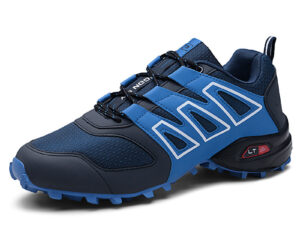
These men’s hiking and trail-running shoes feature a breathable mesh lining, natural rubber outsole and low-cut design. The product description specifically identifies hiking and trail running as intended uses.
Outdoor Walking & Trail Footwear
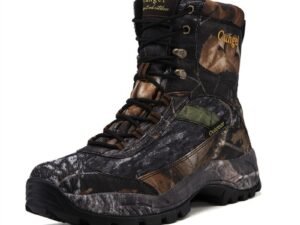
This product is described as men’s hiking footwear for outdoor walks, trails, recreation, outdoor travel and active everyday use. It is positioned as dedicated hiking footwear rather than a standard casual shoe.
High-Top Suede Tactical Desert Boots
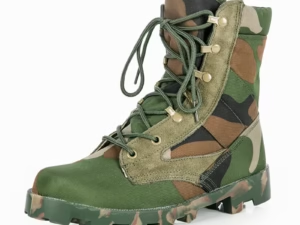
The product description positions these high-top suede boots for rugged outdoor and tactical-style use. Listed features include a wear-resistant suede upper, high-top ankle-supporting architecture, multi-terrain traction outsole, non-slip stability, and use on loose desert sand, rocky inclines and muddy trails. The description also identifies hiking, climbing, camping and demanding outdoor environments.
How Should Hiking Shoes Fit?
Your Heel Should Feel Secure
Your heel should not move excessively inside the shoe.
Your Toes Need Enough Room
Your toes should have enough room to move naturally without being squeezed.
Try Them With Your Hiking Socks
If you normally hike in thicker socks, test the footwear with the socks you actually intend to wear.
Watch for Pressure Points
Pay attention to your toes, heel, arch, instep, ankle and sides of the foot.
Don’t Choose a Size Based Only on Appearance
Use the manufacturer’s size information and, where available, the product’s size chart.
Common Hiking Footwear Buying Mistakes
Buying Based on Appearance
A rugged-looking boot is not automatically suitable for your trail.
Assuming Waterproof Is Always Better
Waterproofing is valuable when you need it. For hot, dry conditions, breathability may be more important.
Buying More Boot Than You Need
A heavy or highly structured boot can be unnecessary for a short recreational hike.
Ignoring Traction
Casual sneakers are not necessarily designed for changing trail surfaces.
Ignoring Fit
Even excellent footwear can become uncomfortable if the size or shape is wrong for your foot.
Forgetting About Weather
Think about rain, snow, heat, mud and temperature before ordering.
Choosing the Wrong Footwear for the Distance
A shoe comfortable for a short walk may not remain comfortable over a full day.
Assuming Every Hiking Shoe Is Designed for the Same Terrain
Hiking footwear can range from lightweight trail shoes to high-cut waterproof boots and rugged tactical footwear. Read the product’s intended uses and specifications before buying.
Hiking Footwear Buying Checklist
Before ordering, ask yourself:
– What terrain will I hike?
– Will the trail be wet or dry?
– Is waterproofing necessary?
– Do I need a breathable shoe?
– Do I prefer low-cut or high-cut footwear?
– Will I be hiking, trail running, climbing or camping?
– How long will I be outdoors?
– Do I need stronger traction?
– Am I carrying a heavy pack?
– What type of socks will I wear?
– Have I checked the size chart?
– Does the product description match my intended use?
Frequently Asked Questions About Hiking Shoes & Boots
What is the difference between hiking shoes and hiking boots?
Hiking shoes are generally lower-cut, lighter and more flexible. Hiking boots typically provide a higher-cut and more structured design. The appropriate choice depends on terrain, distance, weather, pack weight and personal preference.
Do I need hiking boots for a day hike?
Not necessarily. Hiking shoes or trail shoes can work well for many day hikes, particularly on moderate terrain.
Are hiking shoes good for long walks?
Yes, provided the footwear fits correctly and is appropriate for the surface and conditions.
Are waterproof hiking shoes worth considering?
They can be particularly useful when hiking in rain, wet trails, snow or damp conditions.
Are waterproof hiking shoes breathable?
Breathability varies by construction. Waterproof footwear can be less breathable than non-waterproof footwear.
What type of hiking shoes are suitable for rocky trails?
Look for footwear with a secure fit, appropriate traction and construction intended for outdoor or rugged terrain.
What should I look for in hiking footwear?
Start with terrain, weather, distance, activity, fit, traction, weight and waterproofing requirements.
Are lightweight hiking shoes suitable for hiking?
Yes. Lightweight hiking shoes can be suitable for day hikes, trail walking and other outdoor activities when their construction matches the route.
What type of hiking footwear works for wet trails?
Waterproof hiking shoes or boots can be appropriate when wet conditions are expected.
Are breathable hiking shoes better for hot weather?
Breathable footwear can be useful in warm conditions because ventilation becomes more important during active movement.
How should hiking shoes fit?
The heel should feel secure, your toes should have adequate room, and the footwear should not create pressure points.
Can hiking shoes be used for camping?
Yes. Several hiking shoes and boots are specifically designed for camping and other outdoor activities.
Can hiking shoes be used for travel?
Yes. Hiking footwear can be useful for outdoor travel, particularly when your itinerary includes walking, trails and recreational activities.
Should hiking shoes have aggressive tread?
The tread should match the terrain. More aggressive tread can be useful for loose or changing terrain, but not every hiking route requires the same outsole design.
What should women look for in hiking shoes?
Women should consider fit, foot measurements, terrain, weather, traction, weight, breathability and intended activity.
Should women choose hiking shoes or hiking boots?
Either can work. Hiking shoes may suit lighter walking and moderate trails, while hiking boots may suit shoppers who want higher coverage or a more boot-oriented design.
What women’s hiking shoes are suitable for different terrain?
Start by matching the product’s stated construction and intended use with the terrain. For wet conditions, look for explicitly waterproof construction. For warm conditions, consider breathable materials. For rough terrain, prioritize suitable traction and a secure fit.
Find Hiking Shoes & Boots for Your Next Adventure
The right hiking footwear is not about choosing the most rugged-looking shoe. It is about choosing footwear that fits your route, your weather, your distance and your activity.
For wet conditions, look for waterproof construction.
For warm active conditions, consider breathable materials.
For uneven terrain, pay attention to traction and fit.
For longer outdoor days, consider comfort, weight and overall construction.
For camping and outdoor travel, look for footwear whose stated applications match the activities you actually plan to do.
Explore Hiking & Outdoor Footwear
Compare these eight hiking and outdoor footwear options by terrain, weather, traction, breathability, coverage and intended activity.
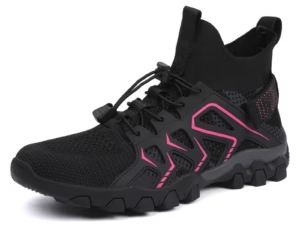
Ready to choose your footwear? Start with your terrain and weather, then compare the products whose stated construction matches your outdoor plans.
Explore Hiking Shoes →
Explore Hiking Boots →
Explore Women’s Hiking Footwear →
Explore Outdoor Footwear →